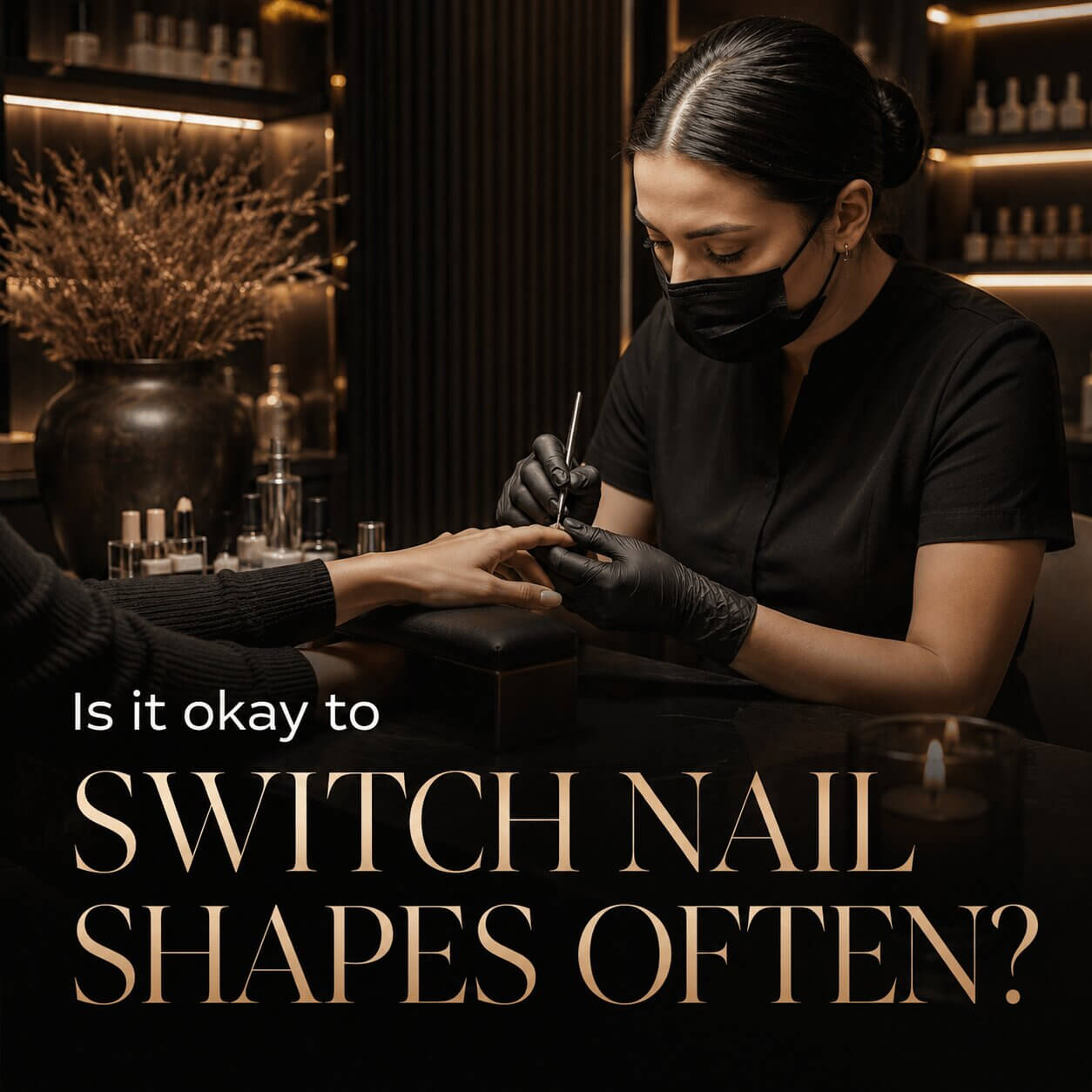
Changing your nail shape can feel like a whole new look — almond one month, square the next. But a lot of people worry that switching shapes too often will damage their nails or weaken them over time.
At Happy Nail and Spa in Kissimmee, we help clients explore different shapes safely. The short answer: switching is fine when it’s done right. Understanding how shape changes affect your nails lets you experiment without the worry.
Why People Switch Nail Shapes
Your nail shape changes both how your hands look and how your nails actually function. Different shapes suit different lifestyles, outfits, and moods — what works for a formal event isn’t always practical for everyday life.
Trends play a part too. A shape gets popular and people want to try it. Some days you want bold and dramatic; other days simple and practical feels right. Switching lets you match your nails to the moment without committing to one style forever.
How Shape Changes Affect Your Nails
Changing shape means filing, and filing removes nail material — so doing it too often or too aggressively can thin your nails over time. The good news: gentle filing by a trained technician causes very little damage.
The key is working with your natural length and thickness. Dramatic changes on short or weak nails put stress on the nail plate. A professional files in one direction with the right tools to prevent splitting, and knows when your nails need a break from filing to stay strong.
Switching Shapes on Artificial Nails vs. Natural Nails
If you wear acrylics or gel extensions, switching shapes doesn’t touch your natural nail the way you might think.
The shaping happens on the artificial overlay, not the nail underneath, so you can change the look more freely without thinning your real nails. The catch is the removal — soaking off or filing down old product repeatedly is what stresses the natural nail, so the damage risk is in the takeoff, not the reshaping. On bare natural nails, every shape change files the actual nail, which is why those need more recovery time between changes.
Some Shapes Handle Frequent Changes Better
Not every shape is equally easy on your nails when you switch often.
Square and round shapes mostly file the tip, so they’re gentler and more forgiving for regular changes. Almond, stiletto, and coffin shapes file down the sides as well, which removes more material and weakens the nail faster if you repeat it too often. If you like switching a lot, rotating between the tip-only shapes is the safer habit.
Best Practices for Changing Shapes
A few habits keep your nails strong no matter how often you switch:
- Keep your nails healthy first. Strong, hydrated nails handle shape changes far better than brittle ones. Use cuticle oil daily and skip harsh treatments between appointments.
- Allow growth time between big changes. Going from square to stiletto needs length and careful filing. Rushing the transition stresses the nail plate and raises the risk of breakage.
- Always have it done professionally. A technician understands nail anatomy and uses proper tools, creating clean shapes without over-filing or leaving weak points that snap later.
Signs You’re Changing Shapes Too Often
Your nails will tell you when you’ve pushed too far. If they turn thin, bendy, or break easily, you’re filing too much — and peeling at the free edge is another sign the filing is eating into nail integrity.
Soreness or sensitivity around the nail bed means too much material is coming off. When you see those signs, hold one simple shape for a few weeks, use cuticle oil daily, and skip extra filing. Let the nails grow out and rebuild strength before the next change.
Explore Different Styles Safely
Switching nail shapes is perfectly fine when you do it thoughtfully and professionally. Know your nails’ limits, work with a qualified technician, and you get all the variety without trading away nail health.
📞 Call to book: (407) 390-8836
📍 Location: 3260 Vineland Rd suite #105, Kissimmee, FL 34746
Try new nail shapes with expert care at Happy Nail and Spa.